
Handover Best Practices: A Complete Guide for Smooth Property Transitions
Discover essential handover best practices for smooth property transitions. Learn how to manage inspections, documentation, checklists, and utility transfers to avoid disputes and ensure a professional handover experience.
3/18/20263 min read
A successful property transaction doesn’t end when the paperwork is signed—it culminates in a seamless handover. Whether you're managing residential units, commercial spaces, or rental properties, implementing handover best practices is critical to ensuring a smooth transition between parties.
Poorly managed handovers can lead to disputes. On the other hand, a well-structured handover process builds trust, improves operational efficiency, and enhances client satisfaction.
In this guide, we’ll walk you through handover best practices, practical steps, checklists, and expert insights to help you execute property transitions every time.
What is Property Handover?
Property handover refers to the formal process of transferring occupancy of a property from one party to another. This includes:
Inspections
Key transfer
Utility and service transitions
A structured handover ensures that both parties are aligned on the property's condition and responsibilities.
Why Handover Best Practices Matter
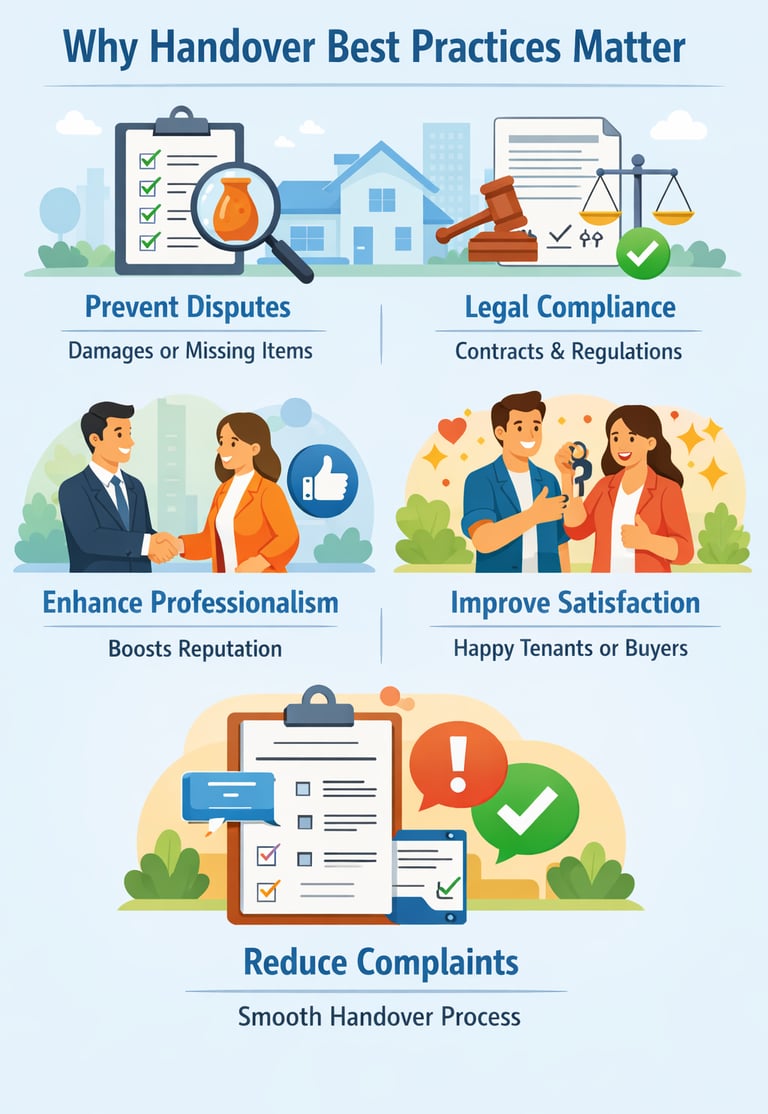

Implementing handover best practices is not just procedural—it’s strategic.
Key Benefits:
Prevents disputes over damages or missing items
Ensures legal and contractual compliance
Enhances professionalism and brand reputation
Improves tenant or buyer satisfaction
Reduces post-handover complaints
Pre-Handover Preparation
Preparation is the foundation of a successful handover.
1. Conduct a Thorough Property Inspection
Before the handover, inspect the property in detail:
Check walls, flooring, fixtures, and fittings
Ensure all appliances are functional
Identify any damages or maintenance issues
Document everything with photos or videos.
2. Complete Necessary Repairs
Address all agreed-upon repairs before the handover. Delays at this stage can create friction and mistrust.
3. Prepare Documentation
Essential documents include:
Tenancy agreement
Inventory list
Maintenance records
The Handover Checklist (Must-Have)
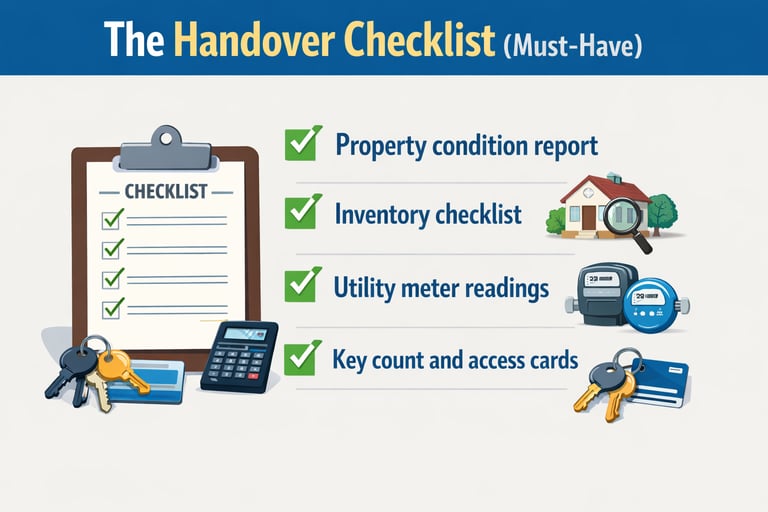
A structured checklist is one of the most important handover best practices.
Key Items to Include:
Property condition report
Inventory checklist
Utility meter readings
Key count and access cards
Having both parties sign this checklist ensures transparency.
Conducting the Handover Meeting
The actual handover should be conducted professionally and systematically.
1. Walkthrough Inspection
Walk the new occupant through the property:
Demonstrate appliances
Highlight key features
Address any questions immediately
2. Documentation Signing
Ensure all documents are signed and copies are shared.
3. Key Transfer
Clearly record:
Number of keys handed over
Types of access (main door, mailbox, parking, etc.)
Utility and Service Transfers
One of the most overlooked handover best practices is managing utilities.
Ensure Transfer of:
Electricity
Water
Gas
Provide contact details of service providers for smooth continuation.
Communication is Key
Clear communication reduces misunderstandings.
Best Practices:
Share handover timelines in advance
Provide a point of contact
Follow up after handover
A simple follow-up message can significantly improve client satisfaction.
Common Mistakes to Avoid
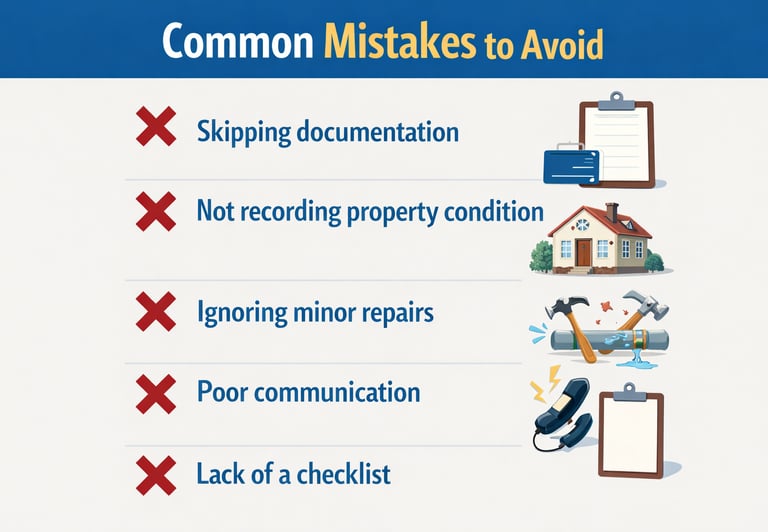
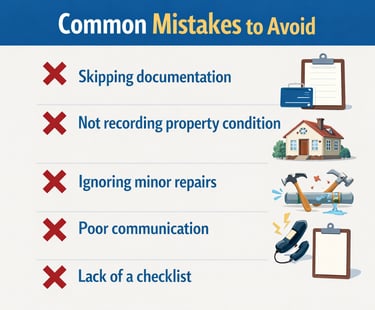
Even experienced professionals can overlook key steps.
Avoid These Pitfalls:
Skipping documentation
Not recording property condition
Ignoring minor repairs
Poor communication
Lack of a checklist
These mistakes can lead to disputes and legal complications.
Technology in Handover Management
Modern tools can streamline the process.
Useful Tools:
Digital inspection apps
E-signature platforms
Property management software
These tools enhance accuracy and efficiency.
Internal Resources for Better Property Management
To improve your overall property experience, explore:
Final Handover Best Practices Summary
To recap, the most effective handover best practices include:
Conducting detailed inspections
Preparing complete documentation
Using a structured checklist
Ensuring clear communication
Managing utility transfers efficiently
A professional handover process not only prevents issues but also strengthens long-term relationships with clients and tenants.
FAQs on Handover Best Practices
1. What is included in a property handover checklist?
A property handover checklist typically includes property condition reports, inventory lists, key details, utility readings, and documentation verification.
2. Why is property inspection important before handover?
Inspection ensures that the property meets agreed standards and helps avoid disputes over damages or missing items.
3. How can I make the handover process smoother?
Follow structured handover best practices, use checklists, communicate clearly, and ensure all documentation is completed in advance.
4. Who is responsible for utility transfers during handover?
Responsibility depends on the agreement, but typically the incoming occupant takes over utilities from the handover date.
5. What are the common mistakes during property handover?
Common mistakes include poor documentation, lack of inspection, missing checklist items, and inadequate communication.
Conclusion
Mastering handover best practices is essential for anyone involved in property management or real estate transactions. A well-executed handover reflects professionalism, minimizes risks, and creates a positive experience for all parties involved.
If you consistently apply these strategies, you’ll not only avoid common pitfalls—but also set a higher standard in the industry.